Why Chemotherapy Causes Hair Loss

You know that chemotherapy can cause hair loss, but when it happens to you, it’s still a shock.
Seeing your hair start to shed, fall out in clumps, or disappear from your eyelashes and brows can feel like one of the most visible signs that life has changed.
For many people, hair loss during cancer treatment can affect how you see yourself, how others respond to you, and how much control you feel over a process that already feels out of your control. You might be wondering why this happens, if it will grow back, and how you’re supposed to cope in the meantime.
In this article, we’ll walk through why chemotherapy causes hair loss, what it typically looks like, and what you can expect after treatment ends. Whether you're preparing for chemo or already experiencing changes, understanding the “why” can help you feel more prepared, and possibly more at peace, with what’s ahead.

What Does Chemotherapy Do to the Body?
Chemotherapy is designed to target and destroy cancer cells. These cells grow and divide rapidly, which makes them different from most healthy cells in the body. Chemotherapy drugs are effective because they attack this rapid cell division process, but they can't always tell the difference between cancer cells and other fast-growing cells.
That’s why certain healthy cells are affected as well, including those in your digestive system, skin, and hair follicles. Hair follicles are among the fastest-growing cells in the body, constantly producing new strands of hair. When chemotherapy interferes with this process, it can cause the follicles to stop producing hair altogether.
Why Does Chemotherapy Cause Hair Loss?
Hair loss from chemotherapy happens because the drugs interfere with the normal function of hair follicles. At any given time, most of the hairs on your head are in a growth phase called the anagen phase. During this time, hair follicles are actively producing new cells that form the hair shaft.
When chemotherapy targets rapidly-dividing cells, that unfortunately, includes the cells inside your hair follicles. When these cells are damaged, the hair growth process is disrupted. This can cause the hair to become weak, brittle, and fall out far earlier than it normally would.
Not all chemotherapy drugs cause hair loss, and the extent of the shedding depends on the specific treatment, dosage, and how your body responds. Some people lose all of their hair, including eyelashes and eyebrows. Others may experience only some thinning. But even when you know it’s coming, the experience can still feel deeply personal and difficult.
What Does Chemotherapy-related Hair Loss Look Like?
Hair loss from chemotherapy often begins one to three weeks after treatment starts. At first, you may notice more strands on your pillow or in the shower. For some, the scalp starts to feel tender or sensitive just before the shedding begins.
The hair may fall out gradually or in larger clumps. Over time, thinning becomes more noticeable, and many people choose to shave their heads to regain a sense of control during the process.
Everyone’s experience is different. Some people lose their hair quickly, while others notice more gradual changes. But regardless of the timeline, it’s important to remember that this type of hair loss is temporary. The emotional impact, however, can be lasting, which is why preparing for it in advance can be so helpful.
Will My Hair Grow Back After Chemotherapy?
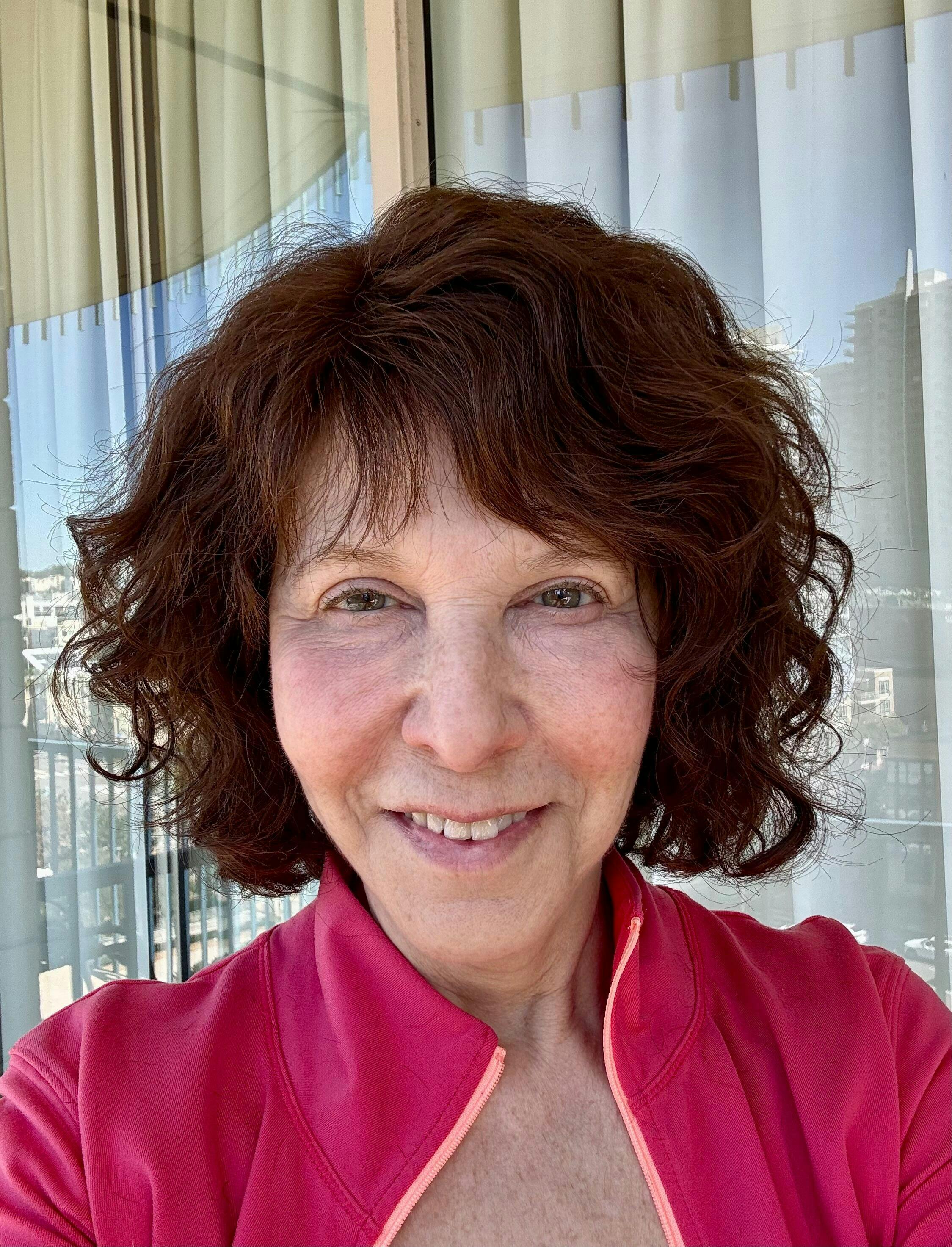
In most cases, yes, hair does grow back after chemotherapy ends. Regrowth typically begins within a few weeks to a few months after your final treatment. At first, the new hair may feel soft or fuzzy and might look different from your previous hair. It's common for it to come in a new texture, curl pattern, or color. This is sometimes called “chemo curls.”
While the initial regrowth can be encouraging, the process takes time. It may take over a year for your hair to return to a fuller length and density. For some, the hair grows back exactly as it was before. For others, it changes temporarily or permanently.
It’s also important to be gentle during this phase. The new hair is often delicate, and your scalp may still be sensitive. Using mild products, avoiding heat styling, and giving your hair time to recover will support healthier regrowth.
What Can I Do to Prepare for Hair Loss During Treatment?
While you can’t always prevent hair loss during chemotherapy, there are steps you can take to feel more prepared and supported throughout the process.
Many people find comfort in gradually trimming or shaving their hair as shedding begins. This step can feel empowering and give you a sense of control over what’s often a very emotional experience.
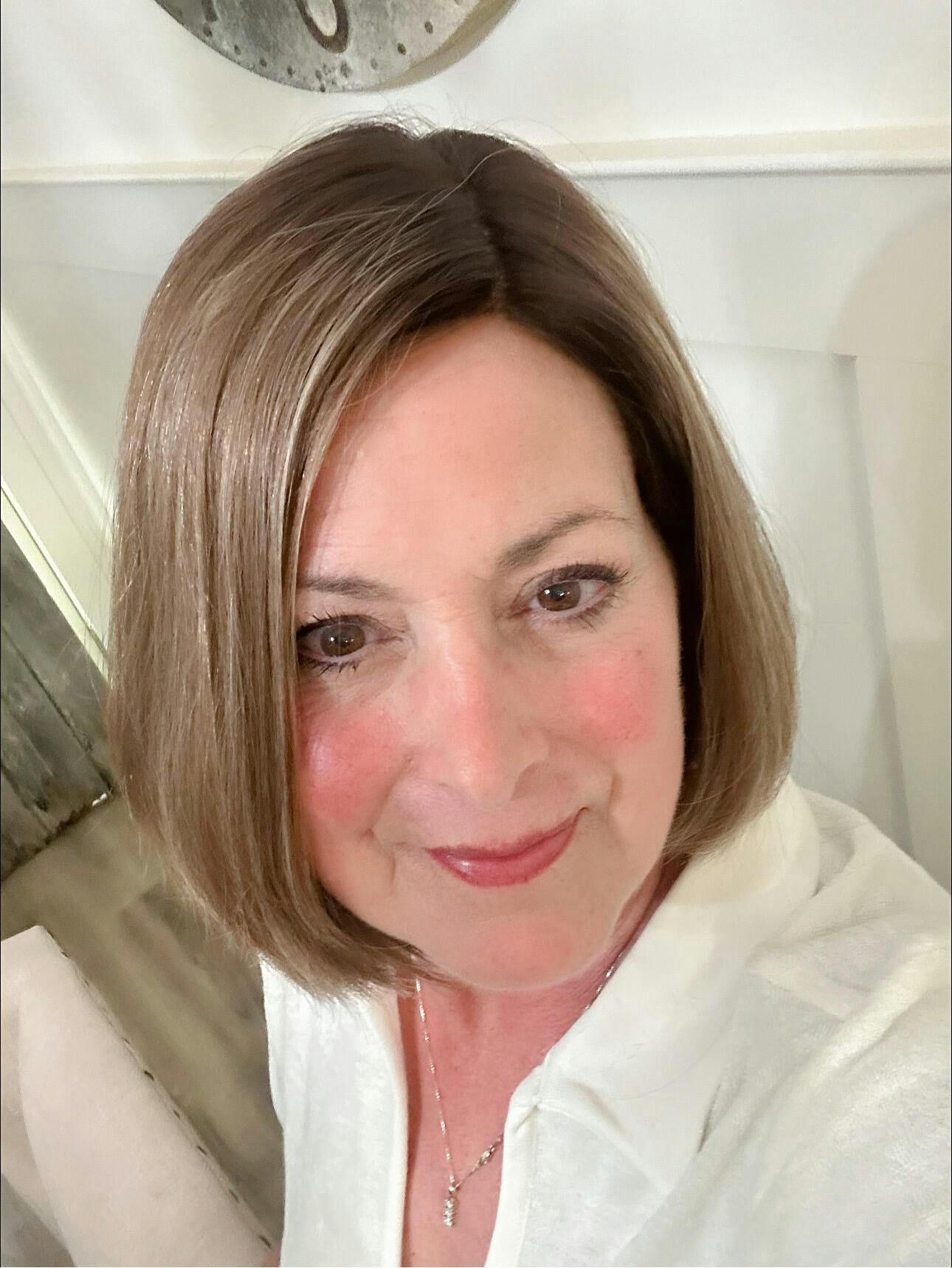
Wigs are also a popular choice. Whether you’re looking for something that closely matches your natural hair or want to try a new style, having a hair solution ready before treatment can ease the transition. A high-quality wig can help you feel more like yourself and provide a sense of normalcy during a time that feels anything but.
Preparing ahead, emotionally and practically, can make hair loss feel less overwhelming. Everyone copes differently, and there’s no “right” way to handle it. What matters is finding what feels most supportive for you.
When Should I Start Thinking About Wigs?
The best time to explore wigs is often before hair loss begins. Shopping early allows you to match your natural color, style, and length while you still have your own hair. It also gives you time to find the right fit, try different styles, and get comfortable with your new look without the added pressure of urgency.
Meeting with a hair loss specialist or wig consultant can be especially helpful during this time. These professionals understand the physical and emotional impact of chemotherapy-related hair loss and can guide you through options that suit your lifestyle, comfort level, and budget.
Even if you’re unsure whether you’ll wear a wig every day, having one available can be empowering. Many people find that simply knowing they have a solution on hand helps them feel more in control during treatment.
How to Move Forward When Facing Chemotherapy-related Hair Loss?
Hair loss during chemotherapy can feel like a loss of identity, and for many, it’s one of the hardest parts of treatment. You may feel vulnerable, exposed, or simply not like yourself.
Now that you understand why chemotherapy causes hair loss and what the process typically looks like, you’re in a better position to make informed choices. Whether you’re exploring scalp cooling, planning to cut your hair in advance, or looking into wigs and toppers, you have options and support.
If you’ve been wondering what it’s really like to wear a wig during treatment, hearing from someone who’s been through it can be incredibly reassuring. Reading about one of our real customers and her experience with chemotherapy-related hair loss and how wearing a Follea wig helped her feel more like herself, can give you a clearer picture of what’s possible during this stage of your journey.